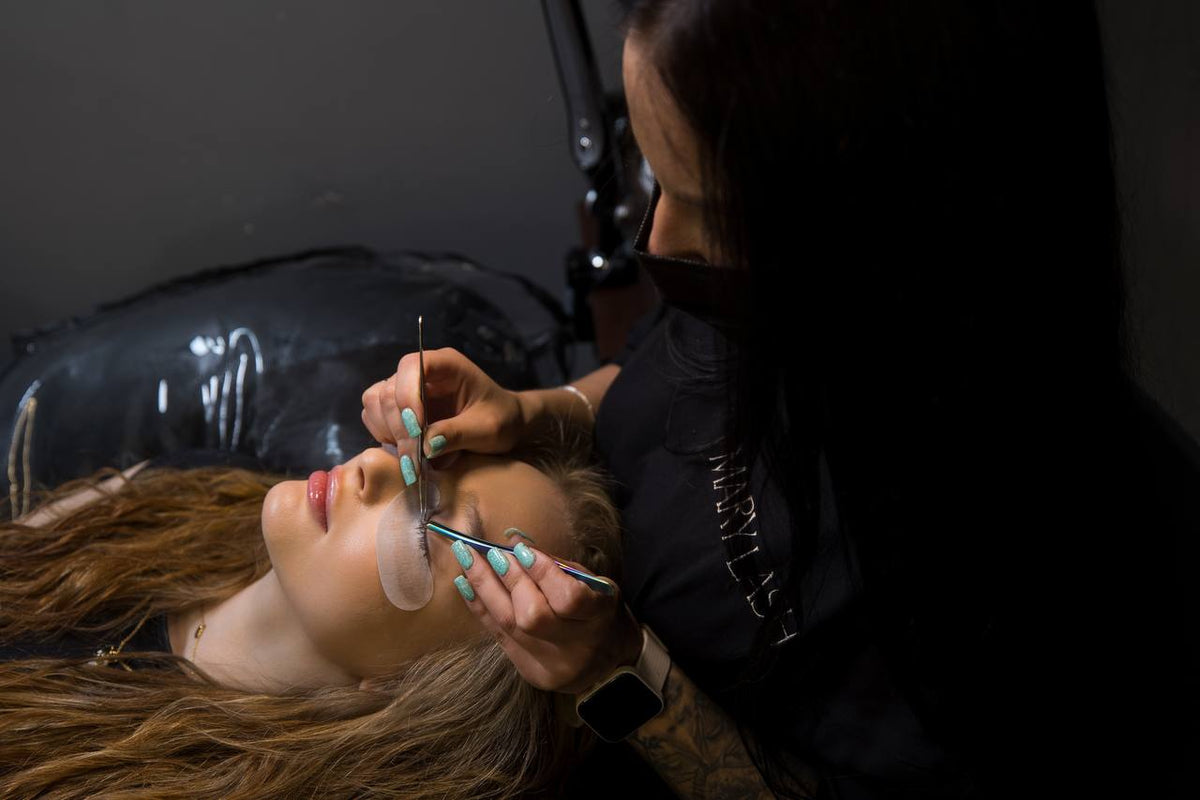
Article: UV/LED Lash Lamp: 365, 395 or 405 nm — How to Choose
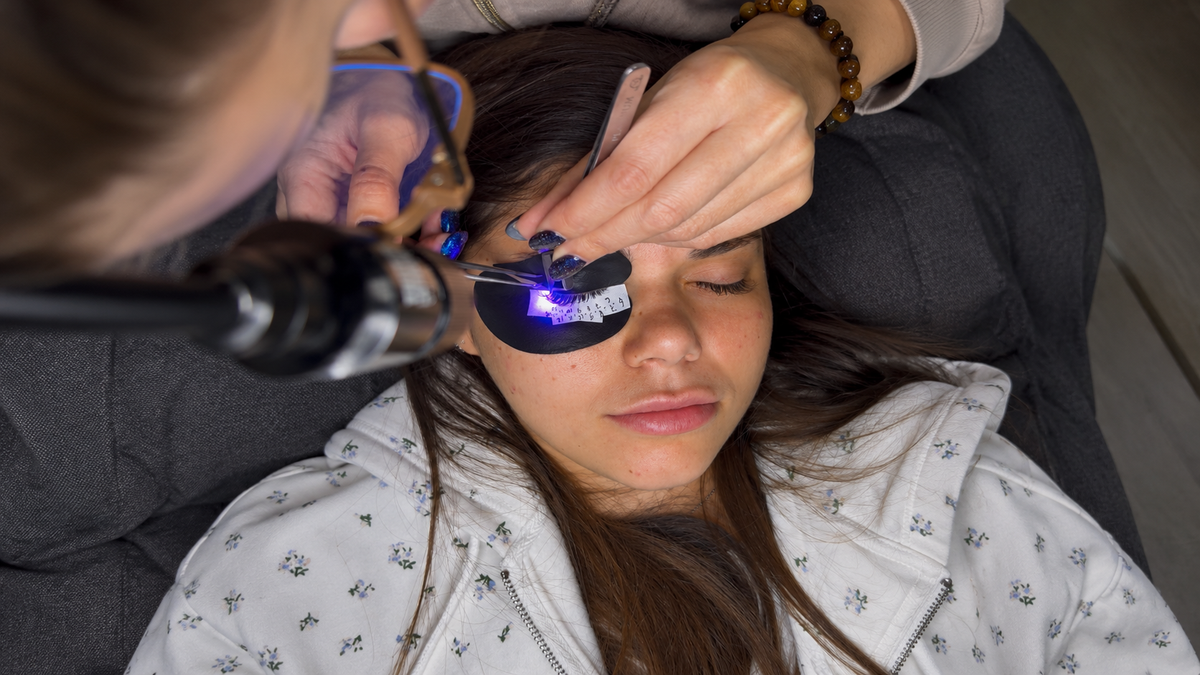
UV/LED Lash Lamp: 365, 395 or 405 nm — How to Choose
By Mariia Chebanenko, founder of MARY LASH and MARY LASH Academy, lash technologist with 18 years of experience and educator
LED lash extensions are growing fast — and so are the questions. What's the difference between a 365 nm and a 395 or 405 nm lamp? Why do two lamps with the same power perform differently? Is it true that "more watts means better curing"?
At MARY LASH Academy we often see lash artists choose a lamp by its design, price or wattage, while ignoring the specs that actually decide the result. Here is what the numbers mean and what to check before you buy a lamp and start working with it.
What wavelength is, and what 365, 395 and 405 nm mean
Wavelength is a physical property of light measured in nanometers (nm). In LED lash extensions it matters because the photoinitiators in the adhesive don't absorb all light equally — each one has its own absorption spectrum.
Ultraviolet light is divided into UVC, UVB and UVA. For LED lash systems we care about the long-wave UVA zone and the area near the edge of visible violet light. That's why lamp specs usually list values around 365, 395 or 405 nm:
- 365 nm sits deeper in the UVA range;
- 395 nm is closer to the edge of the visible spectrum;
- 405 nm is very close to visible violet light.
These numbers don't matter on their own. What a lash artist needs to know is whether the photoinitiator in this specific adhesive can efficiently absorb the light from this specific lamp.

The lamp is the key, the photoinitiator is the lock
The easiest way to explain compatibility: the lamp is a key, the photoinitiator is a lock, and the wavelength is the shape of the key. When the lamp's emission spectrum matches the photoinitiator's absorption spectrum, the system can work efficiently.
Nanometers are not watts
Wavelength and power are two different specs. The nanometer value tells you what kind of light the lamp emits. Power alone doesn't tell you whether the lamp is compatible with your adhesive.
That's why "more watts = better curing" is simply wrong. One of the most common mistakes is judging a lamp by power only: high wattage cannot make up for a lamp whose spectrum doesn't match the adhesive's photoinitiator.
6 parameters to check
Before you work with any LED system, you need to know the lamp's wavelength, the recommended working distance, the exposure time and its compatibility with your adhesive. Together, these parameters give you controlled LED curing.
1. Wavelength. Know which wavelength your lamp emits and whether it matches your adhesive system.
2. Intensity. What matters is how much light energy actually reaches the bond. That's why two lamps with the same stated wavelength can behave differently.
3. Working distance. As the distance changes, so does the amount of light energy hitting the bond. Keep your working distance consistent from one appointment to the next.
4. Angle and light spot. The beam must hit the adhesive directly. Pay extra attention to the inner and outer corners, and to moments when your tweezers or hand may partially block the light.
5. Exposure time. "The longer, the better" doesn't work. You need a sufficient light dose for your specific system. Always consider exposure time together with intensity, distance and the adhesive's specs.
6. Adhesive compatibility. The lamp and the adhesive are one system. If you change one element, test the result again. That's why choosing a lamp professionally starts with technical compatibility — not with how the housing looks.


Safety first
Always follow the lamp and adhesive manufacturers' instructions, keep the client's eyes fully closed and protected during curing, and never point the light toward open eyes.
The bottom line
Choosing an LED lamp for lash extensions isn't about the most powerful device or the prettiest housing. It's about understanding how the system works: the lamp's wavelength must match the adhesive's photoinitiator, while intensity, distance, angle and exposure time must deliver enough light right at the bond.
Remember: nanometers and watts are different things, "longer is better" doesn't work, and the lamp and adhesive are always one system. Change one element — test the result again.
Follow these principles and your LED curing will be predictable, controlled and safe.
Want to level up your skills? Train with Mariia in person at MARY LASH Academy lash courses in Fort Lauderdale, Florida, and read our guide Do Lash Extensions Damage Natural Lashes? Myths vs Facts.

About the author: Mariia Chebanenko
Lash artist with 18 years of experience, international lash champion, speaker and judge at leading beauty events. Founder of MARY LASH and MARY LASH Academy. Follow her on Instagram: @mary_chebanenko_usa.