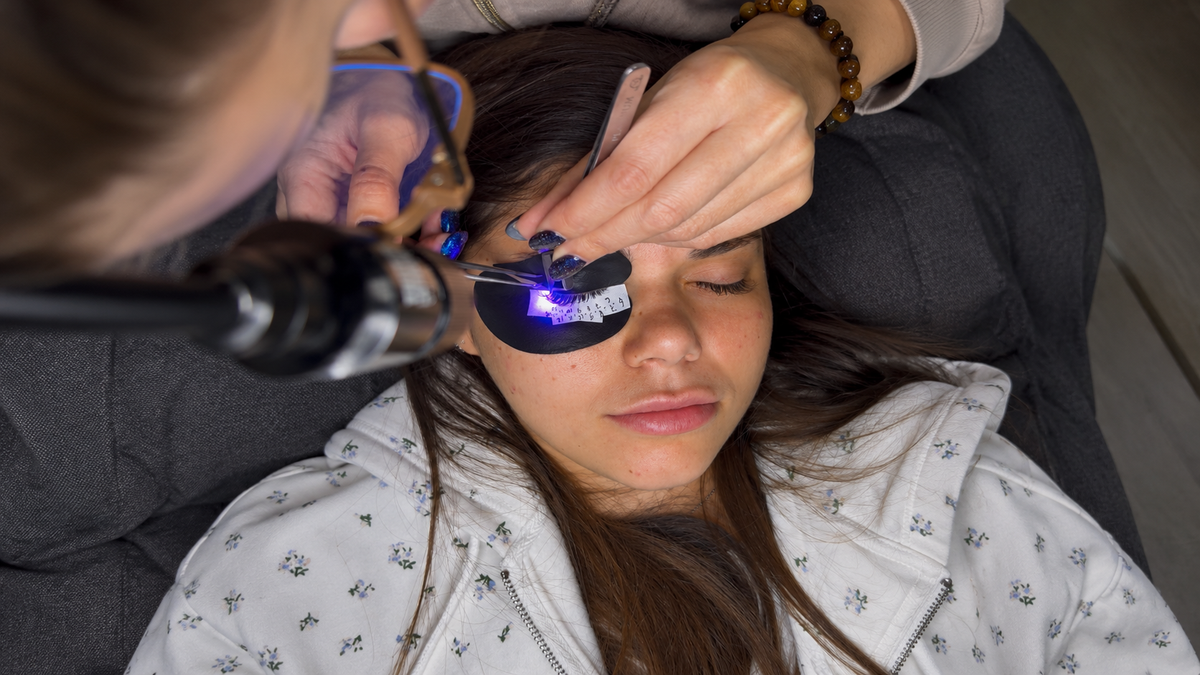
Article: Do Lash Extensions Damage Natural Lashes? Myths vs Facts
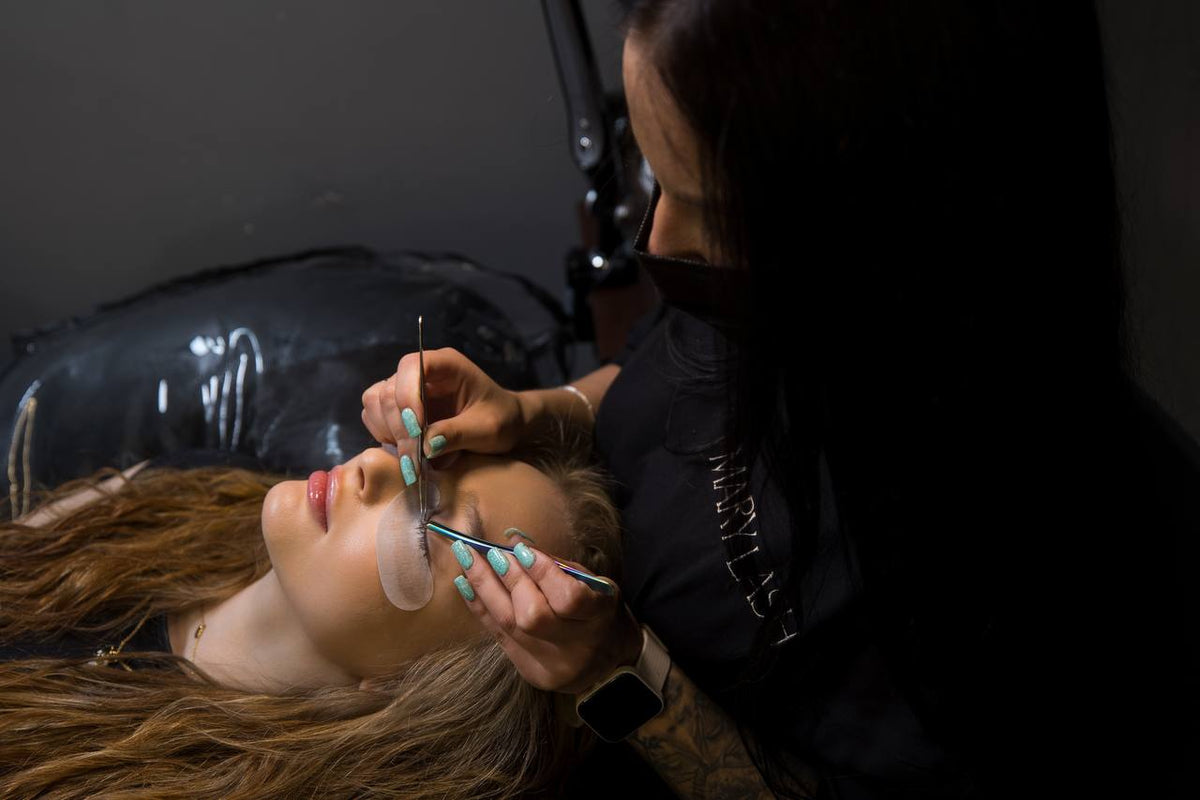
Do Lash Extensions Damage Natural Lashes? Myths vs Facts
By Mariia Chebanenko, founder of MARY LASH, lash technologist with 18 years of experience and educator
Lash extensions have become an everyday beauty essential for millions of women — and yet the procedure is still surrounded by myths. Do lash extensions damage your natural lashes? Will your lashes fall out after removal? Can they stop growing altogether?
As a lash artist and educator who has trained hundreds of lash techs, I hear these questions every week. Here is the honest, professional answer — myth by myth.
Myth 1: Lash extensions always ruin your natural lashes
Fact: Not when they are applied correctly. Damage happens only when the application is done wrong, for example when:
- Lashes are glued together (stickies). This disrupts the natural growth cycle: as one lash grows out, it pulls its neighbors along and can rip them out.
- The natural lashes are overloaded with extensions that are too heavy, too long or too voluminous for them.
- Low-quality or expired adhesive is used.
- The extension is placed too close to the eyelid, which can irritate the follicle and interfere with healthy lash renewal.
"I always teach lash artists to choose the weight and volume based on each client's natural lashes. Beauty should never come at the cost of health." — Mariia Chebanenko
"The golden rule of lash extensions is isolation: every lash must stay separate." — Mariia Chebanenko
Myth 2: Your lashes stop growing after extensions
Fact: Natural lashes go through a growth cycle of roughly 60–90 days, and properly applied extensions don't change that process. What changes is that you notice shedding more: a lash with an extension attached is simply easier to see when it falls out.
Every natural lash goes through three phases:
| Phase | What happens |
|---|---|
| Anagen | Active growth phase — the lash is growing longer. |
| Catagen | Transition phase — growth stops and the follicle shrinks. |
| Telogen | Resting phase — the lash sheds naturally and a new one starts growing in its place. |
You are not losing lashes because of extensions — you are seeing a natural process that used to go unnoticed.

Myth 3: Extensions make your lashes fall out in clumps
Fact: Not if the service and aftercare are done right. Heavy lash loss is usually caused by:
- aggressive or improper removal;
- picking or pulling extensions off at home;
- poor application technique.
"My advice to every client: never remove your extensions at home. It's the fastest way to damaged, broken lashes." — Mariia Chebanenko
Always book a professional removal — your lash artist will dissolve the adhesive with a professional cream remover so the extensions slide off without stressing your natural lashes.
Myth 4: Extensions destroy the hair follicle
Fact: A professional lash artist never glues an extension to the skin — only to the natural lash, about 0.5–1 mm away from the eyelid. The follicle isn't touched, so there is no "growth damage." If natural lashes look weaker, the most likely cause is too much weight.
"The right extension thickness is like a comfortable pair of shoes: you don't feel it, and it doesn't hold you back." — Mariia Chebanenko

Myth 5: After removal you're left with "three sad lashes"
Fact: This is mostly a visual effect — after weeks of full, dramatic lashes, your natural ones simply look sparse by comparison. If the application was done correctly, the volume matched your natural lashes, you didn't pick at them and you followed aftercare, your lash line stays healthy.
Expert tips to keep your natural lashes healthy
- Choose an experienced lash artist who works with professional-grade materials. Lash techs can explore the MARY LASH professional line.
- Keep them clean. Wash your lashes regularly with a gentle, oil-free lash cleanser such as the MARY LASH Lash Shampoo Concentrate.
- Avoid oils around the eyes: don't rub your eyes, and skip oily eye creams, cleansing oils and micellar water that contains oil.
- Nourish between appointments with a lash care serum such as ELAN LashBOOST Peptide Lash Care Serum or OKIS Aloe Concentrate.
Lash extensions without damage: the three rules
- The lash artist follows proper technique.
- Professional, quality-tested materials are used.
- The client follows aftercare instructions.
Most negative outcomes come from unprofessional work or poor aftercare — not from the procedure itself.
"Lash extensions are a tool to enhance your beauty, not a threat to your health. Just choose wisely." — Mariia Chebanenko
If you notice redness, swelling or itching after a lash service, contact your lash artist and see an eye doctor — these can be signs of an allergic reaction to the adhesive.

About the author: Mariia Chebanenko
Lash artist with 18 years of experience, international lash champion, speaker and judge at leading beauty events. Founder of MARY LASH and MARY LASH Academy. Follow her on Instagram: @mary_chebanenko_usa.